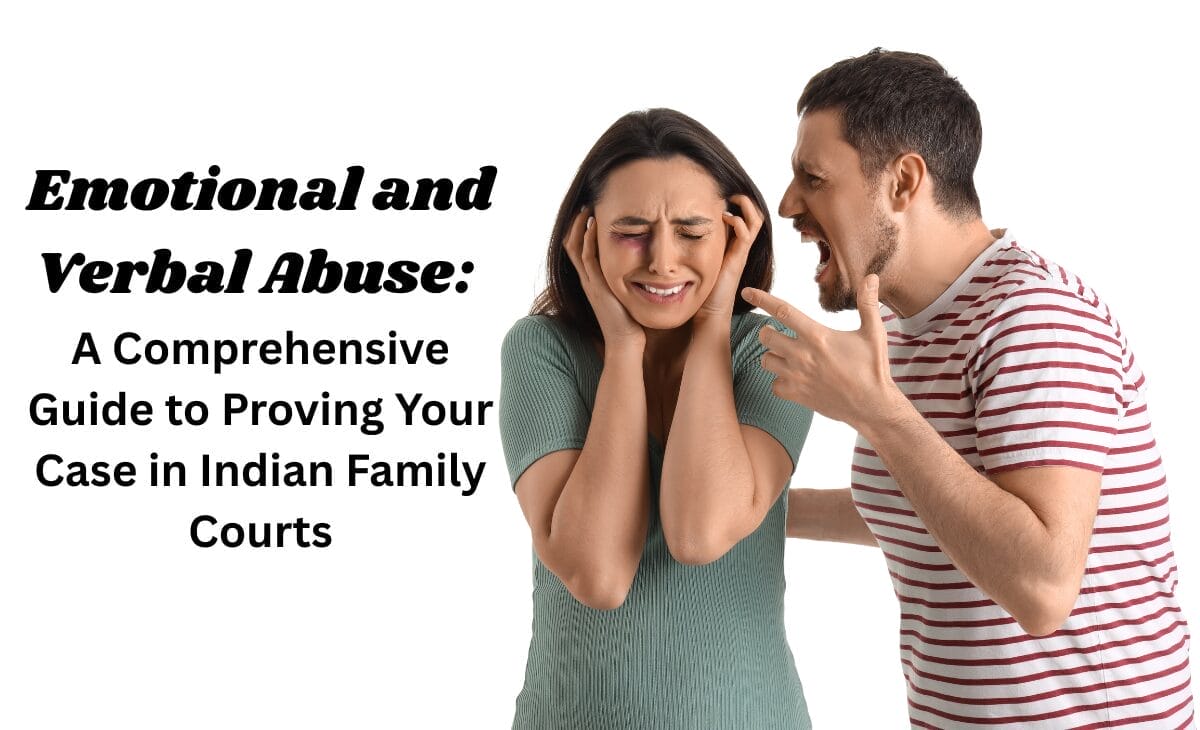
Emotional and Verbal Abuse: A Comprehensive Guide to Proving Your Case in Indian Family Courts

Key Takeaways
- Under the Protection of Women from Domestic Violence Act, 2005, insults, threats, or derogatory remarks qualify as verbal abuse, allowing survivors to obtain protection orders and monetary relief.
- Survivors can file criminal charges under Section 498A of the IPC for mental cruelty, including repeated belittling or intimidation by a spouse, to pursue criminal remedies.
- Lawfully obtained text messages and audio recordings demonstrating consistent threats or insults are admissible evidence in Indian family courts to establish patterns of emotional and verbal abuse.
- Keeping a secure, date-stamped journal detailing each abusive incident—including date, time, nature of abuse, and emotional impact—creates chronological proof that enhances credibility in family court cases.
- Testimonies from mental health professionals, family members, or neighbors corroborate emotional distress and abusive incidents, providing expert and eyewitness evidence that significantly strengthens domestic violence claims.
Emotional and verbal abuse can be just as damaging as physical harm. Unfortunately, proving it in court can be challenging.
In Indian family courts, specific types of evidence can significantly impact the outcome of a case. Things like text messages, recorded conversations, and witness statements are often taken seriously.
Survivors can strengthen their legal standing by documenting instances of abuse effectively. Keeping a journal, saving digital communications, and collecting testimonies can make a difference.
Understanding what truly defines emotional and verbal abuse is crucial for anyone considering legal action. The Indian legal system has unique parameters that can influence whether cases gain traction.
Knowing when to seek professional legal help is also vital. Complexity in your situation may require guidance from an attorney to explore your options.
Finally, having the right witnesses can make a significant impact in court. Friends, family, or counselors can lend their voices to your experience when needed.
What Evidence is Considered Valid to Prove Emotional and Verbal Abuse in Indian Family Courts?
In Indian family courts, valid evidence to prove emotional and verbal abuse includes text messages, audio recordings, photographs, and witness testimonies. These forms of evidence can significantly influence the court’s decision.
What Are the Key Types of Evidence?
The primary evidence types for emotional and verbal abuse include:
- Text Messages: Written communications can show patterns of abusive behavior.
- Audio Recordings: Conversations or threats recorded without knowledge can serve as proof.
- Photographs: Images that document emotional distress or injuries can be compelling evidence.
- Witness Statements: Accounts from friends, family, or colleagues can corroborate claims.
How Do Text Messages Serve as Evidence?
Text messages serve as solid evidence in family court. They provide a clear record of communication. Courts take these messages seriously, especially if they reveal consistent patterns of control or belittlement. For example, a series of text messages that include insults or demands can clearly indicate emotional abuse.
Are Audio Recordings Admissible?
Yes, audio recordings can be admissible in court if obtained legally. They must demonstrate a clear instance of abuse. For instance, a recording where one partner threatens the other during an argument can serve as powerful evidence. However, ensure compliance with privacy laws; illegal recordings may be dismissed.
What Role Do Photographs Play?
Photographs can effectively illustrate the impact of emotional and verbal abuse. For example, images showing signs of stress or anxiety, such as withdrawn behavior, can support claims. To be effective, these photos should be dated and contextualized with your experiences.
Can Witness Testimonies Strengthen a Case?
Witness statements can significantly strengthen a case. These witnesses can provide accounts of abusive behavior. Their observations add credibility to claims of abuse. It’s important to select witnesses who have directly seen or heard the abuse. For example, friends who witnessed arguments can testify on your behalf.
How Do Family Courts Evaluate Evidence?
Family courts evaluate evidence based on relevance and weight. They consider how well the evidence supports claims of emotional and verbal abuse. Courts look for consistency across various evidence types. For example, if text messages, recordings, and witness testimonies all point to similar patterns, the claims are likely to be taken seriously.
Comparison of Evidence Types
| Type of Evidence | Legal Validity | Impact on Case |
|---|---|---|
| Text Messages | High | Significant |
| Audio Recordings | Moderate (if legal) | High |
| Photographs | Moderate | Significant |
| Witness Statements | High | Very High |
Need Legal Assistance?
If you face emotional or verbal abuse, consulting a legal professional can be crucial. Knowing the right steps can help your case. A lawyer can guide you through the process, ensuring your evidence is presented effectively.
Mini FAQ
What if I don’t have physical evidence?
Lack of physical evidence doesn’t mean a case can’t be made. Verbal abuse and emotional distress can still be presented through witness testimonies and personal accounts.
Can I use social media posts as evidence?
Yes, social media posts can be valuable. They should show abusive behavior or threats. Ensure they are authentic and accessible to the court.
Does emotional abuse qualify for legal action in India?
Yes, emotional abuse qualifies under several legal frameworks, including the Protection of Women from Domestic Violence Act.
How Can Survivors Document Instances of Emotional and Verbal Abuse to Strengthen Their Legal Case?
Survivors of emotional and verbal abuse can strengthen their legal case by systematically documenting incidents of abuse. This involves maintaining detailed records, saving digital communications, and gathering corroborating testimonies from trusted individuals.
What Should Survivors Include in Their Documentation?
Proper documentation should encompass various forms of evidence to create a compelling case. Consider including the following:
- Daily journals capturing incidents of abuse.
- Text messages, emails, and social media exchanges.
- Audio or video recordings that demonstrate abusive behavior.
- Witness statements from friends, family, or colleagues who have observed the abuse.
- Medical and psychological evaluations that support claims of emotional distress.
Journals serve as vital evidence. They should chronologically document incidents, noting dates, times, and details of what occurred. This can include the nature of the abuse, the setting, and any immediate emotional impact. Keeping these records in a secure place protects them from tampering.
How Can Digital Communications Be Used Effectively?
Digital communications are essential in proving verbal abuse. Dates and times stamp every interaction. Here are key steps to follow:
- Save conversations in their original format whenever possible.
- Screenshot messages or statements that are particularly harmful.
- Organize communications by date and type.
Using digital platforms to communicate can sometimes lead to more concrete evidence. For example, a harmful text message can highlight a pattern of abuse, especially if it is threatening or belittling.
What Role Do Witnesses Play in Strengthening a Case?
Witness statements can significantly impact a court’s view on a case. Trusted witnesses can provide testimony about the survivor’s experiences. Here are qualities that make effective witnesses:
- People who have observed the abuse directly.
- Individuals who are aware of the survivor’s emotional condition.
- Friends or family who have been told about the abuse.
Survivors should approach potential witnesses thoughtfully. It helps to explain the situation clearly and how their testimony can assist in legal proceedings.
How Can Survivors Ensure Their Evidence is Credible?
To enhance the credibility of documented evidence, survivors should adhere to the following principles:
- Be honest and factual in all records.
- Avoid exaggeration, as this can undermine the case.
- Involve professionals when necessary, such as psychologists.
Professional evaluations can validate emotional distress arising from the abuse. A psychologist’s report can add weight to the survivor’s claims, providing a basis for the impact of emotional and verbal abuse.
What Steps Should Survivors Take When Preparing to Document Abuse?
Taking the right steps can help survivors effectively document instances of abuse. Here is a concise list of actions to follow:
1. Start a daily journal immediately after the first instance of abuse.
2. Collect and save all digital communications without editing.
3. Seek support from trusted friends or family members, explaining the situation.
4. Regularly visit a counselor or therapist to document mental health concerns.
Need Legal Assistance?
If you are a survivor considering legal action, consult with a legal professional to understand your rights fully. Legal guidance will help you navigate the family court system and strengthen your case. Remember, you do not have to go through this alone—support is available for you.
FAQ
What if there’s no direct evidence of abuse?
Even if there is no direct evidence, survivor testimonials and emotional impact narratives can reinforce claims.
Can emotional abuse be proven without witnesses?
Yes, survivor documentation, digital proof, and professional evaluations can substantiate claims even without witnesses.
This approach to documenting emotional and verbal abuse ensures survivors have strong evidence when presenting their cases in family courts.
Why Is It Important to Understand the Legal Definition of Emotional and Verbal Abuse in the Indian Context?
Understanding the legal definition of emotional and verbal abuse in India is crucial for effectively navigating family law cases. It directly impacts the ability to seek justice and protection under the law.
What Are the Legal Definitions of Emotional and Verbal Abuse in India?
In India, emotional and verbal abuse is not explicitly defined in one singular law. However, various laws, such as the Protection of Women from Domestic Violence Act (PWDVA), provide frameworks to identify these forms of abuse. Under the PWDVA, verbal abuse may include insults, threats, or derogatory remarks intended to belittle a partner.
How Does Understanding These Definitions Affect Legal Action?
Knowing the definitions helps victims identify their experiences as abuse. This acknowledgment is vital in deciding to press charges or seek restraining orders. A clear definition enables survivors to gather appropriate evidence and advocate for their rights effectively.
What Are the Implications for Filing a Case?
Legal definitions affect everything from the filing process to the outcome of a case. If a survivor cannot clearly demonstrate how their experience fits these definitions, their case may be dismissed. Thus, legal clarity empowers those involved to build stronger cases.
Comparison of Key Laws Addressing Emotional and Verbal Abuse
| Law | Scope | Definition of Abuse | Relief Available |
|---|---|---|---|
| Protection of Women from Domestic Violence Act | Women in domestic relationships | Includes verbal and emotional abuse | Protection orders, monetary relief |
| Indian Penal Code (IPC) Sec 498A | Women subjected to cruelty | Includes mental abuse | Criminal charges against abuser |
| Domestic Violence Act 2005 | General domestic relationships | Includes emotional and psychological strain | Various remedies, including residential orders |
What Steps Should Survivors Take?
Survivors need to keep track of their experiences. Here are steps to strengthen legal claims:
- Document incidents in a journal.
- Save all text messages and emails.
- Record audio or video if safe to do so.
- Gather supportive statements from friends or family.
- Seek counseling to have a professional witness the trauma.
How Do Legal Definitions Affect Restraining Orders?
When seeking a restraining order, understanding the definition of emotional and verbal abuse becomes essential. Courts will look for evidence of abuse in line with these definitions. Clear documentation can significantly influence the decision.
Mini FAQ
Q: What constitutes emotional abuse?
A: Emotional abuse includes actions that harm a person’s mental well-being, like verbal insults or manipulation.
Q: Can I file a case based on emotional abuse alone?
A: Yes, as long as it falls under the definitions provided in relevant laws.
Q: How do I find legal help?
A: Consult a family law attorney who specializes in domestic abuse cases.
Understanding the legal definitions surrounding emotional and verbal abuse helps survivors take informed steps. It ensures they are empowered to act and seek the justice they deserve.
When Should You Seek Professional Legal Help to File a Case of Emotional and Verbal Abuse in India?
You should seek professional legal help when you recognize that emotional and verbal abuse is affecting your mental health, safety, or stability. If the situation seems complex, or you feel confused about the legal process, consulting an attorney is advisable. Legal experts can provide guidance tailored to your circumstances, which can help you make informed decisions.
What Signs Indicate It’s Time for Legal Help?
Several signs can alert you to the need for legal assistance:
- Your partner consistently belittles you or makes you feel worthless.
- You have experienced threats that make you fear for your safety.
- You feel isolated, unable to communicate with friends or family.
- Your attempts to address the issues within the relationship have failed.
- You notice a pattern of control, manipulation, or intimidation.
Recognizing these signs is crucial. They can help you assess whether your situation is severe enough to warrant legal action.
How Is Emotional and Verbal Abuse Defined Legally?
Understanding the legal definition is vital in India. Emotional abuse may include behaviors that cause psychological harm, such as intimidation or coercion. Verbal abuse often encompasses repeated insults, threats, or ridiculing. Familiarizing yourself with these definitions can help you articulate your experience in court effectively.
What Legal Options Are Available?
When approaching a legal professional, it’s essential to be aware of the pathways available to you, including:
- Filing a complaint under the Protection of Women from Domestic Violence Act, 2005.
- Seeking a restraining order from the court.
- Requesting interim relief for housing or financial support.
Legal avenues exist to safeguard your rights and ensure your safety.
How Does Legal Representation Help in Your Case?
Having a lawyer by your side has several benefits:
– They can help you navigate the legal system and fill out paperwork correctly.
– A lawyer can represent you in meetings, mediations, or court hearings.
– Legal professionals can prepare you for the questions you may face during those meetings or hearings.
This support is key to building a strong case in emotional and verbal abuse circumstances.
What Is the Process for Filing a Legal Case?
To file a case of emotional and verbal abuse, follow these steps:
- Document the abuse: Keep records of incidents, including dates, specific words used, and witnesses.
- Consult with a lawyer: Discuss your situation and evaluate the potential legal options available.
- File a complaint: Your lawyer will help you draft and file a complaint with the appropriate authority or court.
- Attend any required hearings: Be prepared to present your evidence and testify if necessary.
- Follow up on your case: Stay engaged with your lawyer and attend all relevant court appearances.
Each step matters. Successfully addressing emotional and verbal abuse takes a structured approach.
Comparison of Legal Avenues for Emotional and Verbal Abuse
| Legal Option | Purpose | Best For |
|---|---|---|
| Domestic Violence Complaint | Protection and support | Victims needing immediate legal support |
| Restraining Order | Prevent contact from abuser | Victims fearing imminent harm |
| Divorce Proceedings | Ending the marriage legally | Those seeking to permanently end the relationship |
Understanding these options can help you choose the best course of action.
Need Legal Assistance?
Feel free to reach out if you have further questions regarding emotional and verbal abuse cases. Remember, you are not alone in this. Lawyers are here to help you understand your rights and options.
Frequently Asked Questions
What should I bring when I meet with a lawyer?
Bring any evidence of abuse, such as texts, photographs, or recordings, along with a record of events.
How long does the legal process take?
The duration varies based on individual cases, but it can take several months to years.
Can I file for legal action against someone even if I’m not married to them?
Yes, you can file a complaint against anyone causing emotional or verbal abuse, regardless of marital status.
Who Can Serve as Witnesses in Emotional and Verbal Abuse Cases, and How Can They Impact Your Case in Court?
In cases of emotional and verbal abuse, various individuals can serve as witnesses to strengthen your case. These witnesses can include friends, family members, mental health professionals, and even neighbors who have observed abusive behavior.
What Types of Individuals Can Be Witnesses?
The following individuals can serve as witnesses in court:
- Family Members: Immediate family members who witness the abuse can provide important testimony.
- Friends: Close friends who have seen or heard the abusive behavior may also testify.
- Mental Health Professionals: Therapists or counselors who have treated the survivor can provide expert insights into the psychological impact of the abuse.
- Neighbors: Neighbors who have overheard arguments or seen distressing incidents can offer valuable evidence.
Each type of witness can impact the court’s understanding of the situation and the dynamics of the abuse. Their testimonies can establish a pattern of behavior and provide the court with context.
How Do Witnesses Impact Your Case?
Witnesses play a crucial role in refining the court’s perspective. Their testimonies can validate your experiences and emotions. This support can lead to a stronger case. Here are some ways they can influence the outcome:
- Credibility: A consistent account from multiple witnesses can bolster your credibility.
- Emotional Weight: Emotional testimonies can deeply affect the judge’s perception.
- Corroboration: Witness statements can corroborate your claims of abuse.
Witnesses can provide different viewpoints of the same incidents, enriching the court’s understanding. Solid testimonies can make a significant difference in the case’s direction.
How Should You Approach Potential Witnesses?
It’s crucial to approach potential witnesses carefully. Here are steps to consider:
- Identify Potential Witnesses: Make a list of individuals who have seen or heard incidents of abuse.
- Communicate Openly: Explain your situation and why you need their support.
- Ensure Willingness: Confirm that they are willing to testify on your behalf.
- Provide Guidance: Prepare them for what to expect in court.
The willingness of witnesses to testify can set the direction of your case. Supportive friends and family can create a positive atmosphere in court.
Comparison of Witness Types and Their Impact
| Type of Witness | Potential Impact | Examples |
|---|---|---|
| Family Members | High Emotional Weight | Parents, siblings |
| Friends | Strong Credibility | Childhood friend, close colleague |
| Mental Health Professionals | Expert Testimony | Therapist, psychiatrist |
| Neighbors | Validation of Events | Close neighbor, landlord |
This table demonstrates how different witnesses can impact your case. Each type offers unique benefits in the court’s assessment.
Mini FAQ
Can I use my children as witnesses?
In emotional and verbal abuse cases, using children as witnesses can be sensitive and complex. Courts prioritize the child’s well-being, so it’s best to consult a lawyer first.
What if my witnesses refuse to help?
If potential witnesses are unwilling, try to find others who can provide similar evidence. Document their reasons for refusal if possible.
How can I prepare my witnesses for court?
Provide them with a simple guide outlining what to expect, the courtroom setting, and key points they should remember.
The right witnesses can significantly enhance your case in court. Understanding their roles and preparing them effectively can lead to a positive outcome.
Conclusion
Document your experiences and seek legal help to prove emotional and verbal abuse in court.
Start by keeping a detailed journal of your experiences. Record incidents of abuse immediately to ensure accuracy.
Gather text messages and witness statements to build a strong case. Make sure your evidence shows a pattern of abuse.
Don’t hesitate to consult an experienced family law attorney. They can guide you through the legal process and support your claims.
By understanding your legal rights and preparing effectively, you increase your chances of success in court. Your experiences matter, and you deserve justice.


Pratham is a legal information researcher and content creator dedicated to making Indian law accessible to everyone. With expertise in legal research and content development, Pratham creates detailed, well-researched articles on Indian laws to help readers understand complex legal concepts in simple language. All content is thoroughly researched from authentic legal sources including Indian statutes, court precedents, government publications, and established legal databases. Each article is fact-checked and updated regularly to reflect current laws and amendments.